
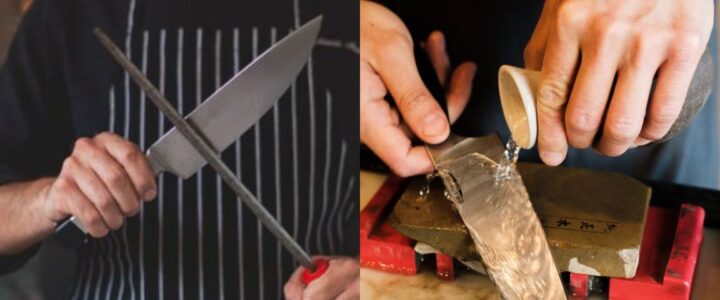
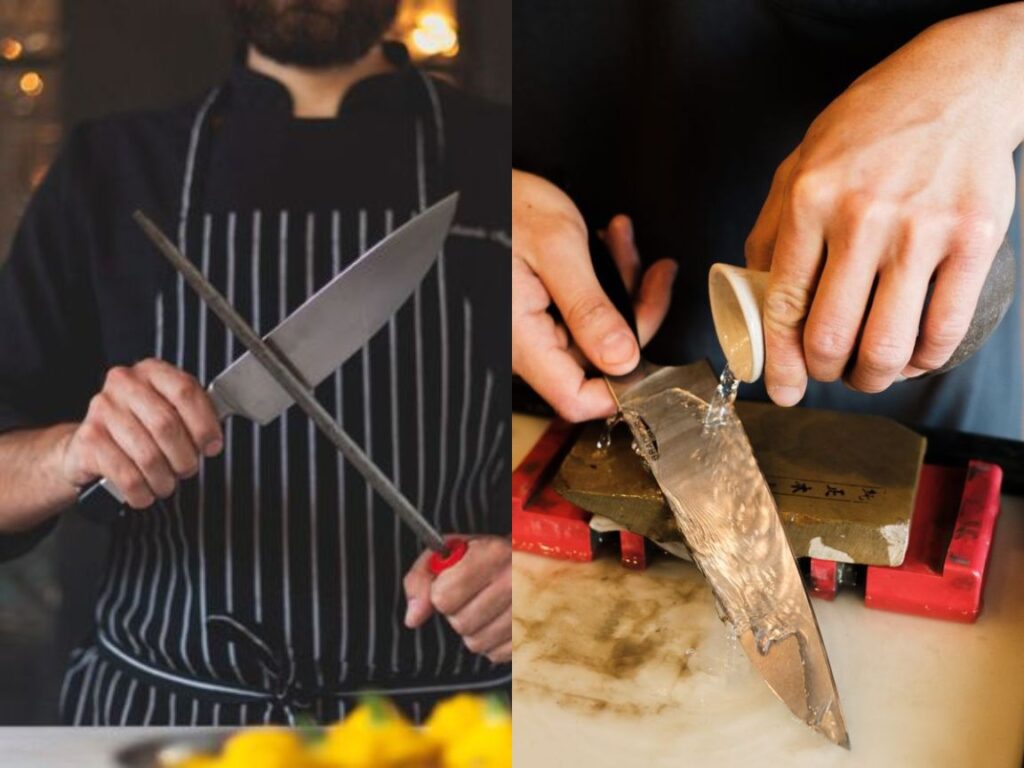
If you’re wondering how often should you sharpen kitchen knives, the answer is simpler than most people expect.
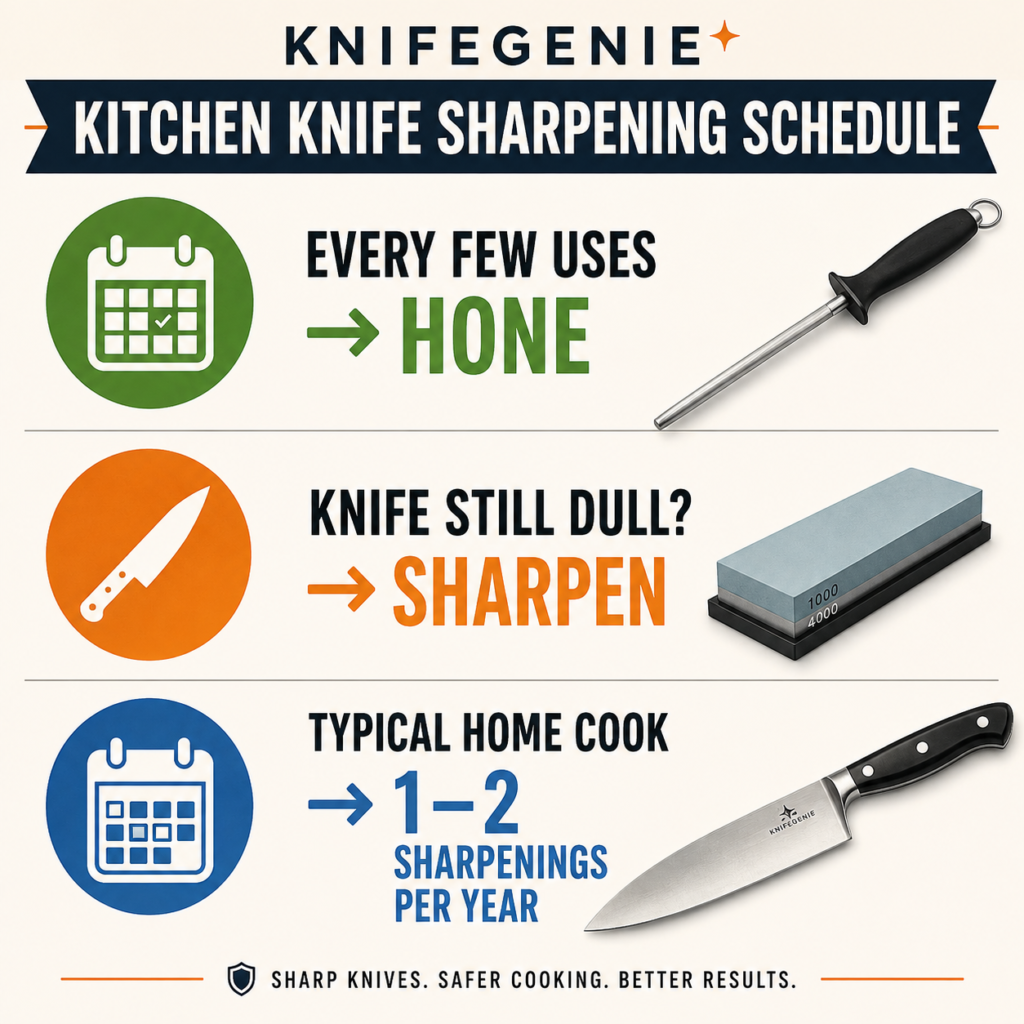
👉 For most home cooks, actual sharpening about once or twice a year is a reasonable starting point—or whenever honing no longer restores the edge.
But frequency depends on how often you cook, the steel in your knife, your cutting board, how you store the blade and whether you regularly hone it.
And one thing causes more confusion than anything else:
Sharpen vs Hone Explained:
Honing and sharpening are not the same thing.
Understanding that difference can keep your knives performing better while preventing you from unnecessarily grinding away steel.
🔽 In This Kitchen Knife Sharpening Guide
🔪 How Often Should You Sharpen Kitchen Knives? The Quick Answer
For the average home kitchen:
Sharpen: About 1–2 times per year, or when the knife remains dull after honing.
Hone: Regularly, depending on the knife and how often you use it.
That isn’t a rigid calendar rule.
Someone who cooks twice a week and takes excellent care of a chef’s knife may go considerably longer between sharpenings than somebody using that same knife several hours every day.
For a closer look at how serrations affect cutting performance and maintenance, see our Serrated vs Plain Edge Kitchen Knives comparison.
🏆 KnifeGenie Rule
Hone regularly. Sharpen when honing stops restoring good cutting performance.
📊 Kitchen Knife Sharpening Schedule at a Glance
| Type of User | Honing | Actual Sharpening |
|---|---|---|
| Occasional home cook | As needed | Around once a year or as needed |
| Regular home cook | Every few uses | Around 1–2 times per year |
| Heavy home cook | Regularly | Potentially every few months |
| Professional cook | Very frequently | As cutting performance requires |
| Knife rarely used | As needed | Only when noticeably dull |
| Serrated knife | Do not use a conventional honing steel | Infrequent or professional sharpening |
The better approach is to watch how the knife performs rather than simply sharpening because a certain date has arrived.
Read: Honing vs Sharpening
🆚 Sharpening vs Honing: They’re Not the Same Thing
This is probably the most important distinction in the entire guide.
Honing
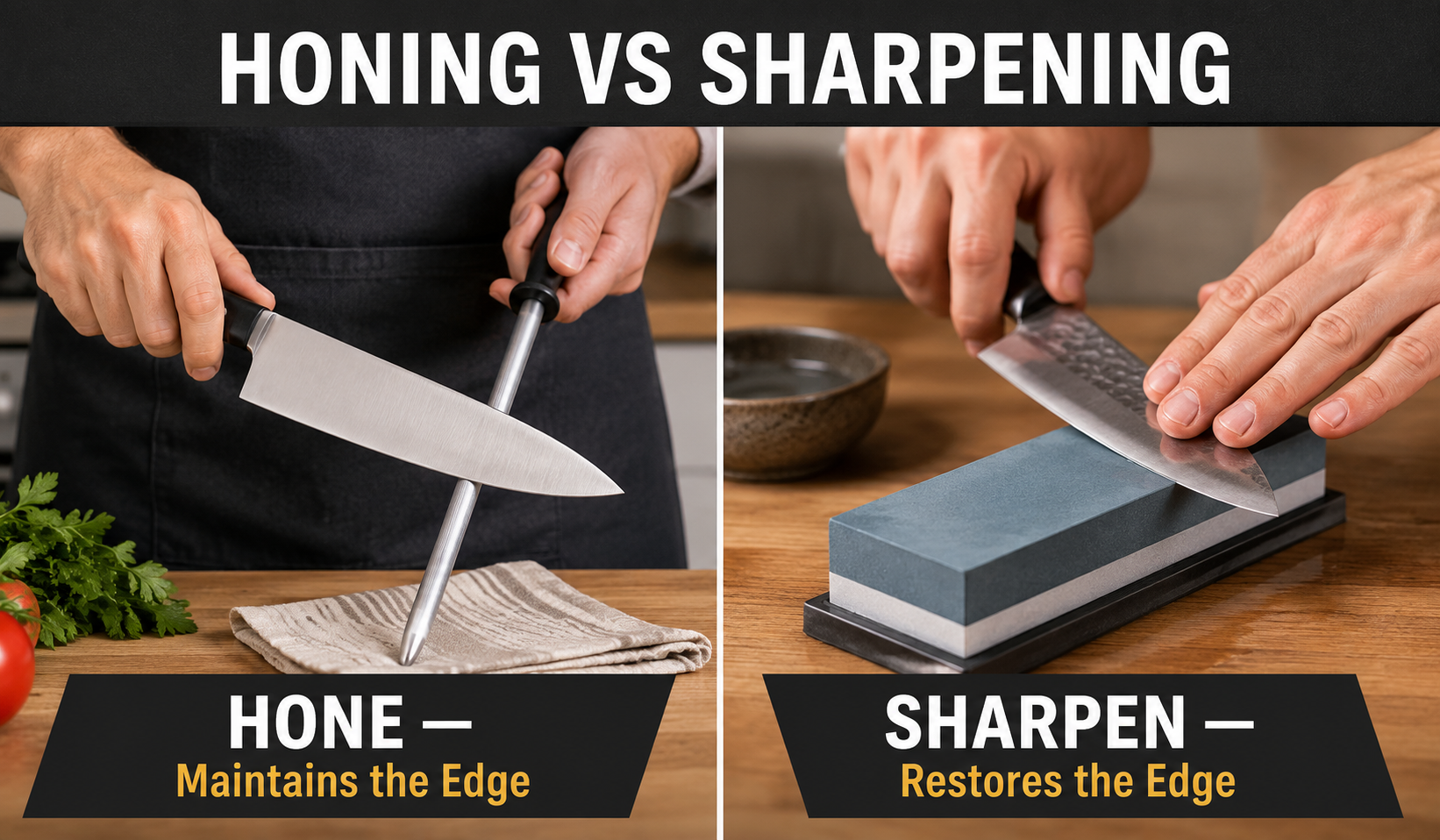
Honing primarily maintains or realigns an existing cutting edge.
Think:
Honing = edge maintenance.
Sharpening
Sharpening uses an abrasive to remove a small amount of blade material and restore the cutting edge.
Think:
Sharpening = edge restoration.
Victorinox currently makes the same distinction and advises honing every few uses while reserving sharpening for when honing no longer restores satisfactory performance.
HONING VS SHARPENING
🧐 How Do You Know When a Kitchen Knife Needs Sharpening?
Forget the calendar for a moment.
Your knife’s actual cutting performance is a better indicator.
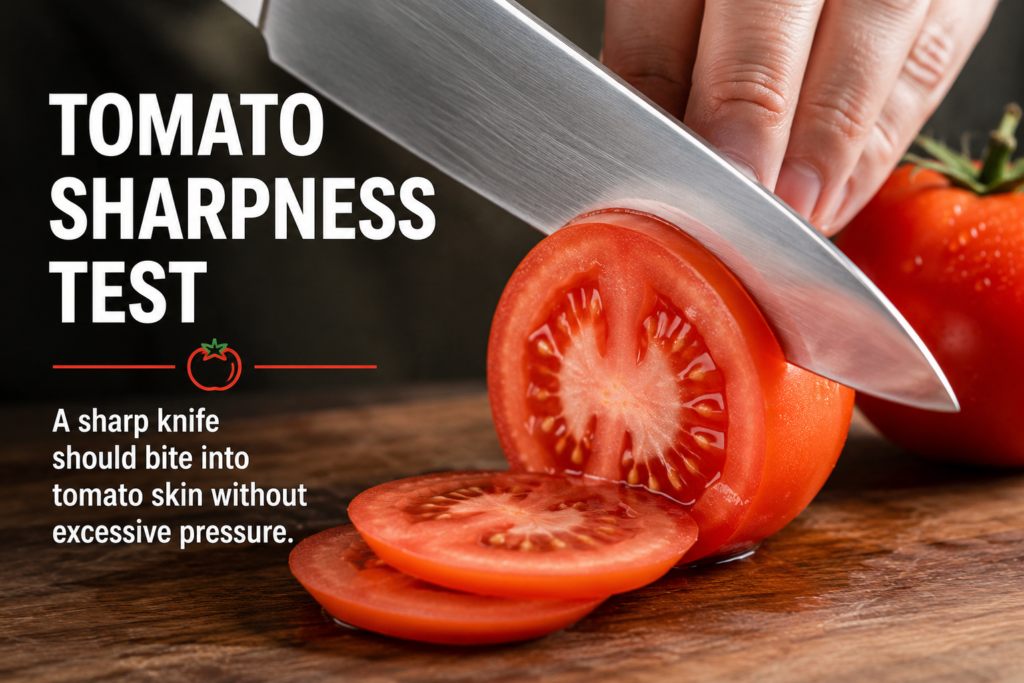
🍅 1. It Struggles With a Tomato
Try slicing a ripe tomato using normal technique.
A sharp chef’s knife should bite through the skin cleanly without excessive downward force.
If your knife slides across the surface or crushes the tomato before cutting, the edge needs attention.
Victorinox currently recommends the tomato test, along with a paper test, as a practical way to determine whether a knife is dull.
TOMATO SHARPNESS TEST
📄 2. Try the Paper Test
Carefully slice through an ordinary sheet of paper.
A sharp plain-edge knife should cut reasonably smoothly.
If the knife continually tears, snags or refuses to begin the cut, the edge probably needs attention.
🧅 3. Onions Suddenly Feel Harder to Cut
You may notice the difference during normal cooking before you ever perform a formal sharpness test.
If carrots suddenly require more force or herbs begin bruising rather than slicing cleanly, don’t ignore the change.
🔪 4. Honing Doesn’t Help Anymore
This is the biggest clue.
Hone the blade appropriately.
Then try it again.
Sharp again?
Keep cooking.
Still dull?
It’s time to sharpen.
🏆 7 Crucial Signs Your Kitchen Knife Needs Sharpening
- Tomatoes are difficult to slice.
- The blade slips rather than biting into food.
- Paper tears rather than slicing.
- You have to apply noticeably more pressure.
- Vegetables feel more difficult to cut.
- Honing no longer restores performance.
- The cutting edge shows minor deterioration or damage.
⏱️ What Makes Kitchen Knives Go Dull Faster?
Two people can use the same kitchen knife and need to sharpen it at very different intervals. How quickly an edge becomes dull depends on both the knife and how it is used.
Hard cutting surfaces, frequent use, cutting bones or frozen foods, poor storage, dishwasher cleaning and scraping the cutting edge sideways across a board can all shorten edge life. Blade steel and edge geometry also affect how well an edge holds up over time.
That means a knife that is cared for properly may go considerably longer between sharpenings than an identical knife exposed to harder use and poor maintenance.
👉 Want the complete explanation? See Why Kitchen Knives Get Dull So Quickly for the 9 common causes of premature dulling and simple ways to help your knives stay sharp longer.
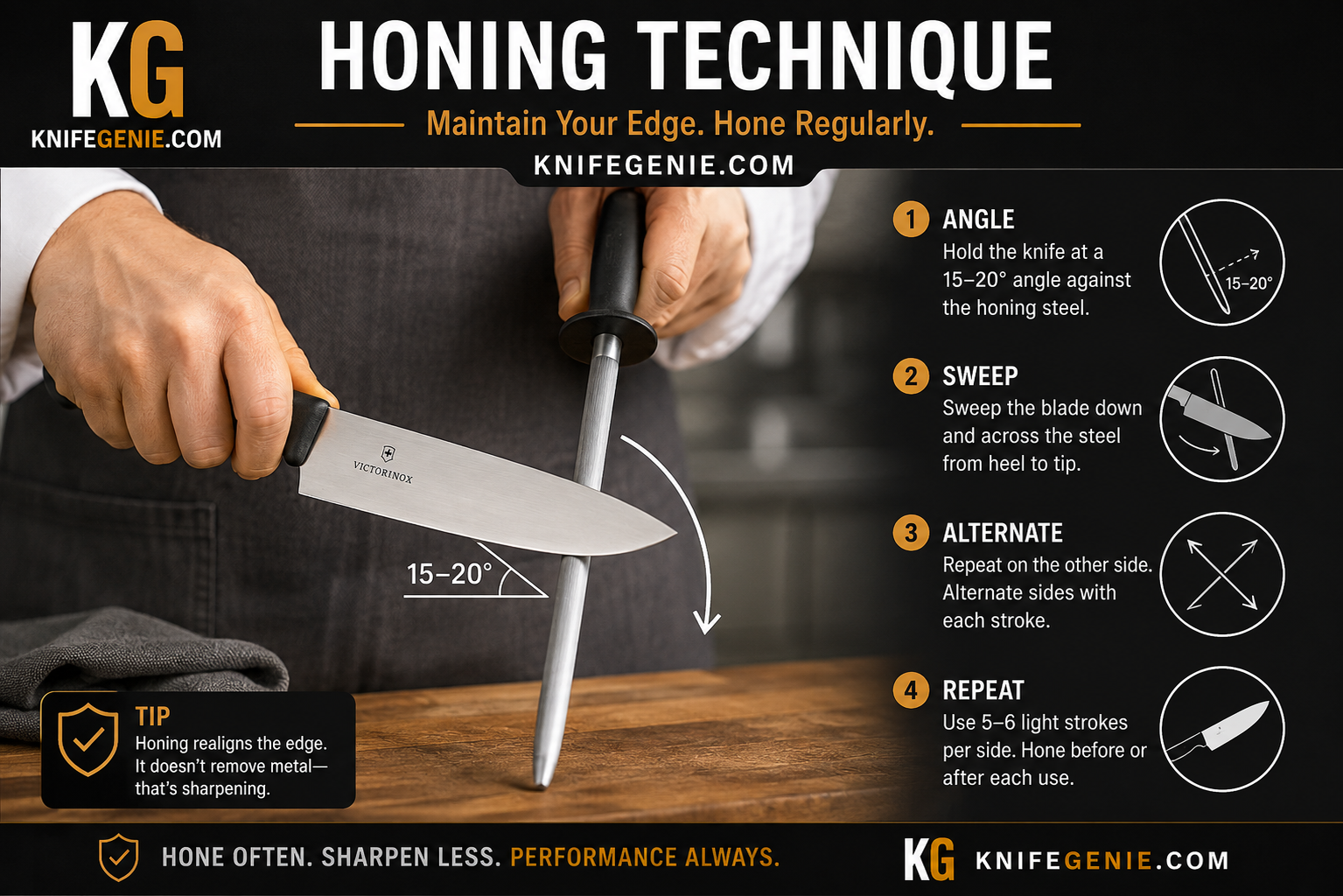
🔧 How Often Should You Hone Kitchen Knives?
Victorinox currently recommends honing regularly and notes that every few uses is a practical interval for many home cooks.
The routine is easy:
Knife still performing well?
👉 Keep using it.
Edge feels slightly less crisp?
👉 Hone it.
Honing restores performance?
👉 Keep cooking.
Still dull?
👉 Sharpen.
HONING TECHNIQUE
⚠️ Can You Sharpen a Kitchen Knife Too Often?
Yes.
Actual sharpening removes steel.
Every time you create a new edge, you remove a small amount of blade material.
Victorinox explicitly warns that excessive sharpening gradually thins a blade, which is another reason not to sharpen simply because a calendar reminder appears.
🏆 KnifeGenie Rule
Don’t sharpen because the calendar tells you to.
Sharpen because the edge tells you to.
🪨 Whetstone vs Pull-Through Sharpener vs Professional Sharpening
Once you’ve established that the knife actually needs sharpening, you need to decide how you’re going to restore the edge.
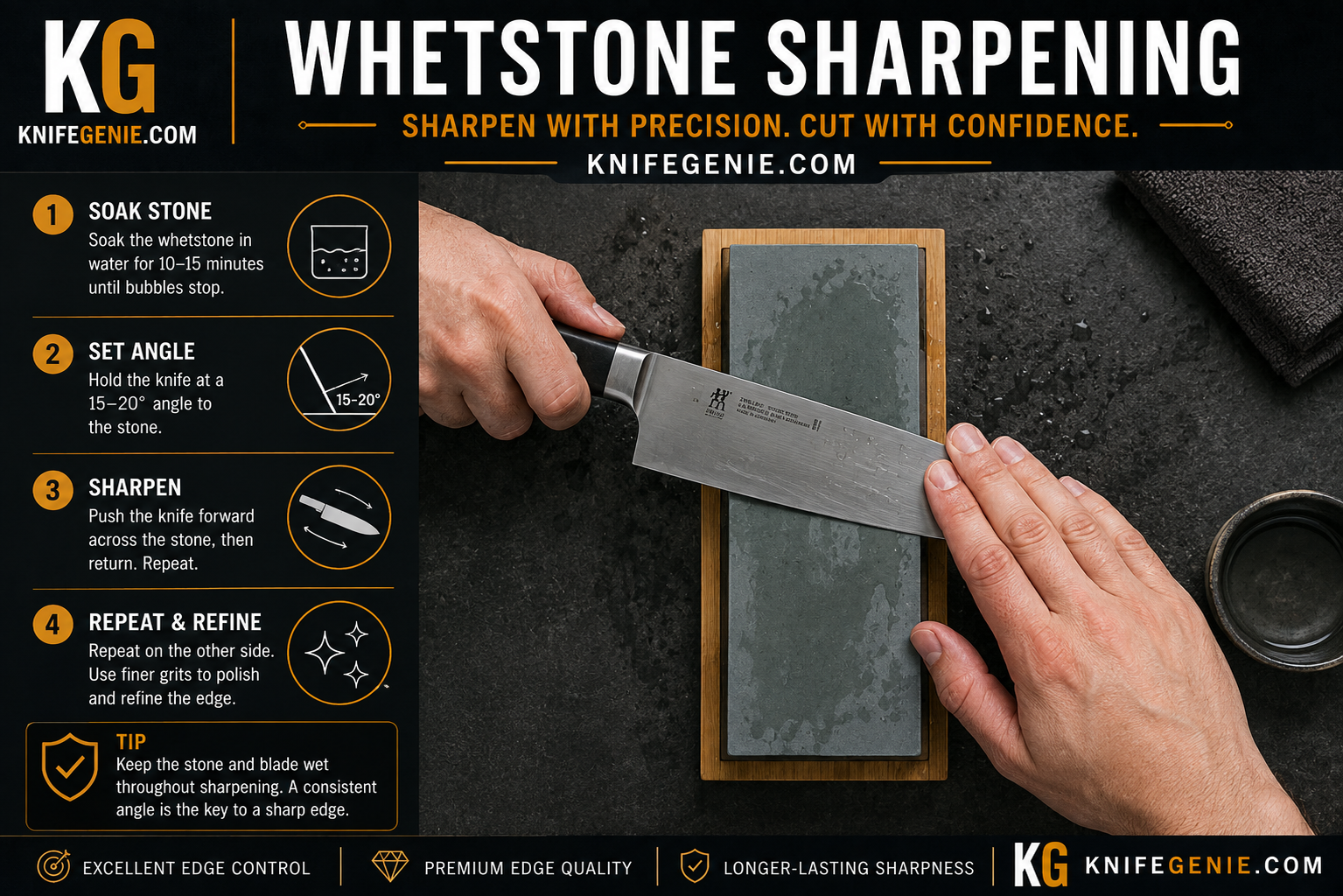
🪨 Whetstone Sharpening
Whetstones offer excellent control over both the sharpening angle and the amount of steel removed.
Pros
✔ Excellent control
✔ Capable of extremely sharp edges
✔ Different grits available
✔ Suitable for many high-quality kitchen knives
Cons
✘ Takes practice
✘ Maintaining a consistent angle requires technique
✘ Slower than many guided sharpeners
WHETSTONE SHARPENING
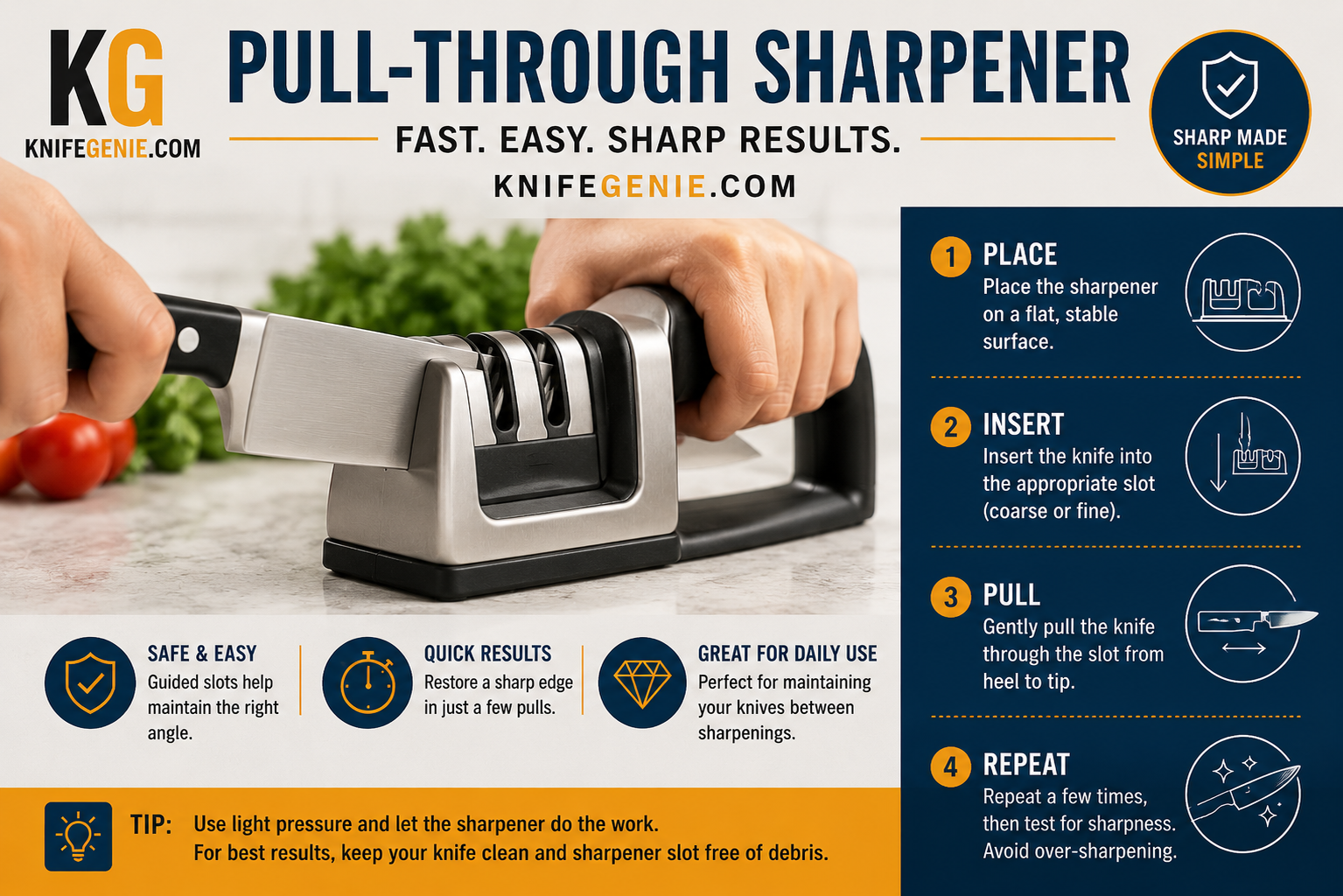
⚙️ Manual Pull-Through Sharpener
Pros
✔ Easy to learn
✔ Fast
✔ Convenient
✔ Guided angles available on many designs
Cons
✘ Less control
✘ May not suit every knife geometry
✘ Some aggressive models remove unnecessary steel
PULL-THROUGH SHARPENER
⚡ Electric Knife Sharpener
Pros
✔ Fast
✔ Convenient
✔ Beginner friendly
✔ Guided stages available
Cons
✘ Less manual control
✘ Can remove more steel than careful stone sharpening
✘ Not appropriate for every knife
👨🔧 Professional Knife Sharpening
Pros
✔ No sharpening technique required
✔ Good option for premium knives
✔ Useful for damaged edges
✔ Experienced sharpeners can handle specialty blades
Cons
✘ Costs more
✘ Knife may be unavailable temporarily
✘ Quality depends on the sharpening service
🇨🇭 Victorinox Knife Sharpening Advice
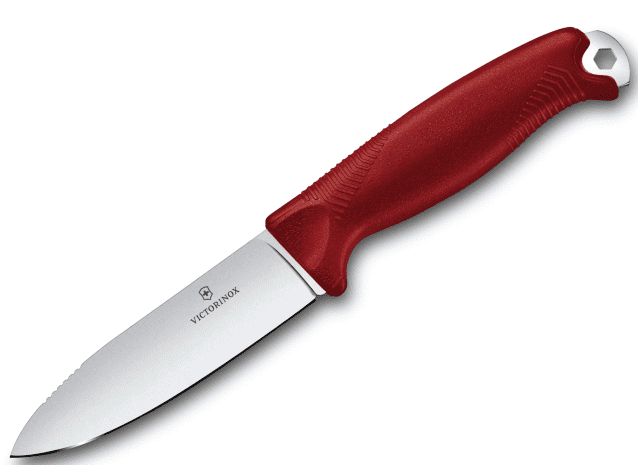
Victorinox currently recommends regular honing and says actual sharpening is needed less frequently—typically around once or twice a year for many home users, depending on use and maintenance.
Pros
✔ Clear distinction between honing and sharpening
✔ Provides tomato and paper sharpness tests
✔ Supports several sharpening methods
✔ Encourages sharpening based on actual condition
Cons
✘ Exact frequency still depends on your knife and usage
👉 Visit the Victorinox official website
🇩🇪 Wüsthof Knife Sharpening Advice
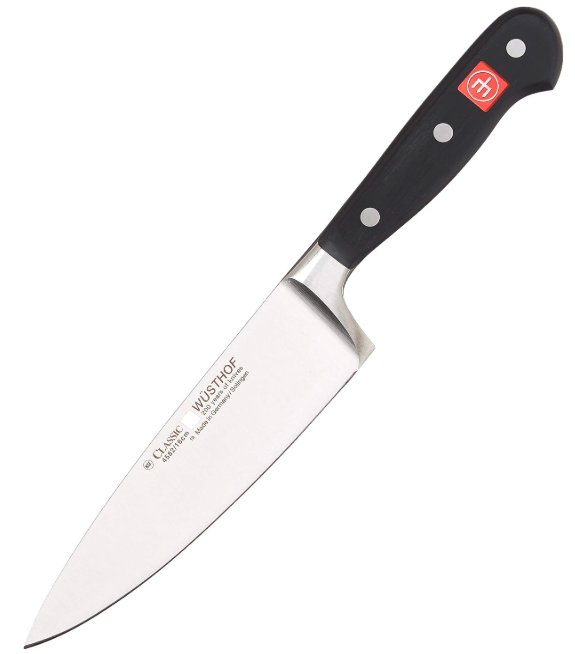
Wüsthof also distinguishes between regular honing and less-frequent sharpening.
Its manufacturer material shows both honing steels and sharpening systems as part of normal knife maintenance.
Pros
✔ Manufacturer-specific guidance
✔ Strong emphasis on edge maintenance
✔ Multiple sharpening options
✔ Useful for owners of German-style knives
Cons
✘ Brand-specific angles shouldn’t automatically be applied to other manufacturers
👉 Visit the Wüsthof official website
🇩🇪 Zwilling Knife Sharpening Advice
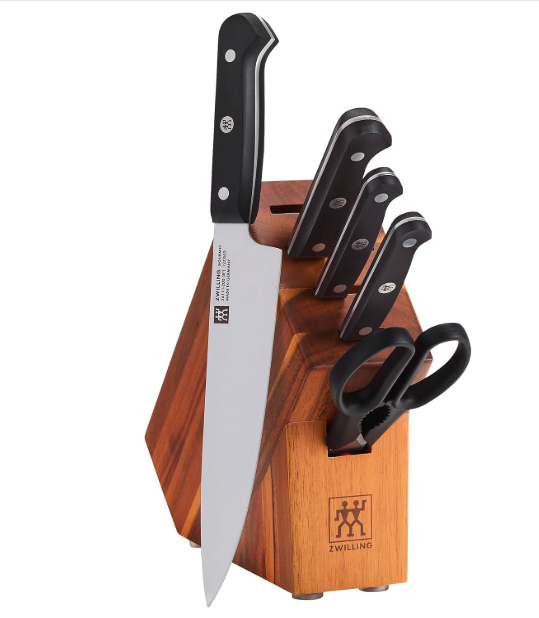
Zwilling offers honing steels, whetstones and guided sharpening systems, illustrating how there isn’t just one correct sharpening method for every home cook or knife type whether boning or filleting.
Pros
✔ Several maintenance options
✔ Whetstone guidance available
✔ Guided systems available for convenience
✔ Useful manufacturer information
Cons
✘ Different knife ranges can require different edge angles
👉 Visit the Zwilling official website
📐 What Angle Should You Sharpen a Kitchen Knife?
There is no single universal angle for every knife.
The proper angle depends on the manufacturer, blade style, steel and original geometry.
KnifeGenie Recommendation
Check the manufacturer’s specifications before changing the edge angle on a quality knife.
🇯🇵 What About Japanese Kitchen Knives?
Some Japanese knives use harder steels and more acute edge geometry than traditional Western kitchen knives.
Certain knives can also be asymmetrical or single-bevel.
Don’t automatically put an expensive Japanese knife through the same aggressive pull-through sharpener you use for an inexpensive Western knife.
Check the manufacturer’s recommendations first.
🍞 How Often Should You Sharpen a Serrated Knife?
Usually much less frequently than a straight-edged chef’s knife.
Because only portions of the serrated edge contact the cutting surface, a good bread knife can remain useful for a long time.
Avoid using a conventional honing steel across a serrated edge.
Victorinox currently recommends professional sharpening for many larger wavy or serrated blades unless you have suitable equipment and experience.
❌ 7 Knife Sharpening Mistakes to Avoid
- Sharpening whenever the knife feels slightly dull instead of trying appropriate honing first.
- Treating honing and sharpening as identical.
- Using the wrong sharpening angle.
- Applying excessive pressure.
- Using a sharpener that isn’t suitable for the knife.
- Ignoring chips or serious edge damage.
- Sharpening far more frequently than necessary.
🧠 KnifeGenie Pro Tips for Keeping Knives Sharp Longer
🪵 Use wood or suitable plastic cutting boards.
🧼 Follow the manufacturer’s cleaning instructions.
🔪 Use the appropriate knife for the task.
🧲 Protect knife edges during storage.
🔧 Hone appropriately between sharpenings.
📅 Judge sharpening needs by performance rather than the calendar.
❓ How Often Should You Sharpen Kitchen Knives? FAQ
How Often Should You Sharpen Kitchen Knives at Home?
For many home cooks, around once or twice per year is a sensible starting point. Sharpen sooner if honing no longer restores satisfactory performance.
How Often Should You Hone Kitchen Knives?
For many Western kitchen knives, every few uses can be a useful starting point, but follow your manufacturer’s instructions.
Is Honing the Same as Sharpening?
No. Honing maintains or realigns the edge, while sharpening removes material to restore it.
Can You Sharpen Kitchen Knives Too Much?
Yes. Because sharpening removes steel, unnecessary sharpening gradually removes more blade material than required.
How Can I Tell If My Knife Is Dull?
Try cutting a tomato or carefully slicing paper. Also pay attention to whether you’re suddenly using more force during normal food preparation.
Should I Hone or Sharpen a Dull Knife?
Try appropriate honing first. If that doesn’t restore satisfactory cutting performance, sharpen the knife.
How Often Should You Sharpen a Chef’s Knife?
For many home cooks, about once or twice per year is a practical baseline, with heavier users potentially needing sharpening more often.
What Is the Best Way to Test Knife Sharpness?
The tomato and paper tests are two convenient methods.
🏁 Final Cut: How Often Should You Sharpen Kitchen Knives?
So, how often should you sharpen kitchen knives?
For most home cooks:
🏆 KnifeGenie Verdict
Hone: Regularly, potentially every few uses depending on the knife.
Sharpen: Roughly once or twice per year as a general starting point—or whenever honing stops restoring good cutting performance.
Heavy users: Potentially more often.
Occasional users: Potentially much less often.
Serrated knives: Infrequently, using the correct method or professional sharpening.
The simplest rule is still the best:
Don’t sharpen because six months have passed.
Sharpen because your knife actually needs its edge restored.
Test it on a tomato.
Pay attention to how much pressure you’re using.
Hone appropriately.
If honing brings the edge back, keep cooking.
If it doesn’t?
Now it’s time to sharpen.
Sharp knives. Smart choices.
— KnifeGenie