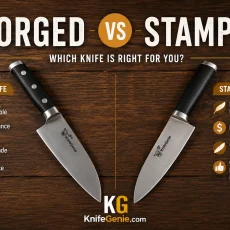
If you’re comparing a boning knife vs fillet knife, you’re probably wondering whether you really need two specialty knives that look so similar. The answer depends mostly on what you’re cutting. A boning knife gives you control when working around meat, bones and joints, while a fillet knife gives you the flexibility needed to follow the contours of fish.
Imagine this scenario: You’re standing at the cutting board with a whole chicken in front of you.
Do you grab a boning knife or a fillet knife?
Now switch that chicken for a whole salmon.
Same knife?
Not quite.
Boning and fillet knives look similar enough that it’s easy to assume they’re interchangeable. Both have narrow blades, pointed tips and far more flexibility than the average chef’s knife. But when comparing a boning knife vs fillet knife think of the task at hand.
Both are designed with different jobs in mind.
Here’s the simple answer:
👉 Choose a boning knife if you mostly prepare chicken, beef, pork, lamb or game.
👉 Choose a fillet knife if you regularly clean, skin or fillet fish.
👉 If you prepare both but only want to buy one knife, a flexible or semi-flexible 6-inch boning knife is usually the more versatile choice for the average home cook.
Let’s break down why.
🔽 Jump to What You Need
🥩 Boning Knife vs Fillet Knife: The Quick Answer
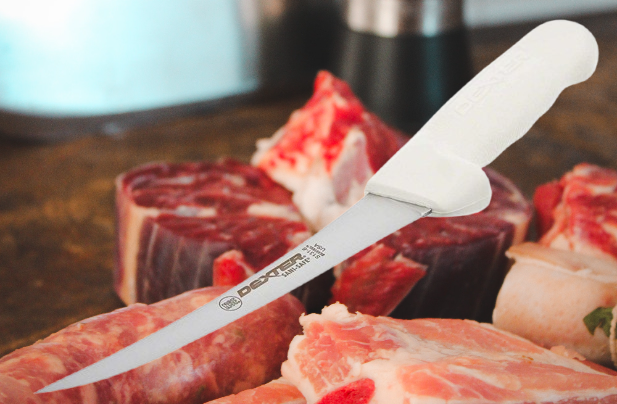
Think of it this way:
Boning knife = meat and bones.
Fillet knife = fish and flexibility.
A boning knife normally has a relatively short, narrow blade that gives you excellent control while cutting around joints, bones, cartilage, fat and connective tissue.
A fillet knife is usually longer, thinner and noticeably more flexible. That flexibility lets the blade bend and follow the backbone and ribs of a fish.
That’s the main difference.
But there’s some overlap.
A flexible boning knife can handle many fish-preparation jobs, while a fillet knife can sometimes trim or debone delicate meat.
The more specialized the job, the more you’ll appreciate having a knife designed for it.
🆚 Boning Knife vs Fillet Knife: Quick Comparison
| Feature | 🥩 Boning Knife | 🐟 Fillet Knife |
|---|---|---|
| Primary purpose | Removing meat from bones | Filleting and skinning fish |
| Typical blade | Short and narrow | Long, thin and narrow |
| Common length | About 5–7 inches | About 6–9+ inches |
| Flexibility | Stiff to flexible | Usually flexible |
| Tip | Sharp/pointed | Fine, pointed |
| Control around joints | ⭐⭐⭐⭐⭐ | ⭐⭐⭐ |
| Following fish bones | ⭐⭐⭐ | ⭐⭐⭐⭐⭐ |
| Removing fish skin | ⭐⭐⭐ | ⭐⭐⭐⭐⭐ |
| Trimming fat/silverskin | ⭐⭐⭐⭐⭐ | ⭐⭐⭐ |
| Poultry | ⭐⭐⭐⭐⭐ | ⭐⭐⭐ |
| Beef & pork | ⭐⭐⭐⭐⭐ | ⭐⭐ |
| Whole fish | ⭐⭐⭐ | ⭐⭐⭐⭐⭐ |
| Best all-around choice | 🏆 Yes | Mostly for fish |
🎯 KnifeGenie Bottom Line
If you only remember one thing from this guide:
Boning knives prioritize control. Fillet knives prioritize flexibility and reach.
🔪 What Is a Boning Knife?
A boning knife is a narrow-bladed knife designed for detailed cutting around bones, joints and connective tissue.
Instead of forcing a large chef’s knife into awkward spaces, the narrow blade allows you to guide the edge close to the bone.
That means cleaner cuts and less edible meat left behind.
Typical boning-knife jobs include:
- Deboning chicken thighs
- Removing chicken breasts from the carcass
- Separating poultry joints
- Trimming pork
- Removing fat from beef
- Removing silverskin
- Cleaning tenderloin
- Breaking down lamb
- Processing venison and other game
The pointed tip is especially useful because it can enter small spaces around joints and bones where a wider chef’s knife feels clumsy.
Victorinox similarly describes boning knives as tools for jobs requiring precision and control, including removing bones, trimming fat and sinew and separating joints.
🥩 Why It Works
Imagine deboning a chicken thigh.
You don’t need a long sweeping blade.
You need something short enough to control with your fingertips while you trace the shape of the bone.
That’s exactly where a boning knife shines.
For a deeper look at choosing one, read KnifeGenie’s:
Best Boning Knife for Home Butchers – 2026 Guide
👍 Boning Knife Pros and Cons
Pros
✔ Excellent control around bones
✔ Great for poultry, beef, pork and game
✔ Narrow blade reduces unnecessary meat loss
✔ Pointed tip reaches tight spaces
✔ Excellent for trimming fat and silverskin
✔ Available in stiff, semi-flexible and flexible versions
✔ More versatile than a fillet knife for most meat preparation
Cons
✘ Usually shorter than a dedicated fillet knife
✘ Stiff models don’t follow fish bones as easily
✘ Less efficient when skinning large fish fillets
✘ Choosing the wrong amount of blade flex can make some jobs harder
🐟 What Is a Fillet Knife?
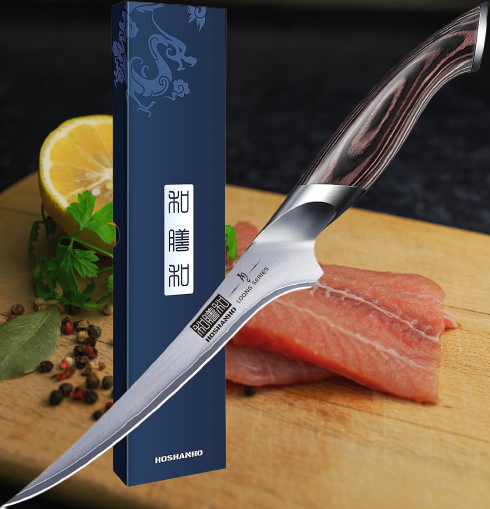
Now imagine that chicken has magically turned into a salmon.
Your cutting technique changes completely.
Rather than maneuvering around a hard joint, you want the blade to travel smoothly alongside the backbone and ribs while removing as little flesh as possible.
That’s the fillet knife’s specialty.
A typical fillet knife has a blade that is:
Long. Thin. Narrow. Flexible.
The flexibility is especially important.
When you press the blade gently against the fish’s skeleton, it can flex to follow the contours rather than cutting straight through the flesh.
Victorinox describes its filleting knives as long, lean, slightly tapered and flexible enough to negotiate fish bones.
That’s precisely why a good fillet knife feels so different from a stiff boning knife.
🐠 What Is a Fillet Knife Used For?
A fillet knife is particularly good for:
- Filleting whole fish
- Following the backbone
- Working around rib bones
- Removing fish skin
- Portioning fillets
- Trimming delicate fish
- Removing unwanted fat
- Making long, precise cuts
Some fillet knives can also handle delicate meat-trimming jobs.
But fish is where they really earn their keep.
👍 Fillet Knife Pros and Cons
Pros
✔ Excellent flexibility
✔ Follows the natural contours of fish
✔ Long blade makes sweeping cuts easier
✔ Excellent for skinning fish
✔ Helps reduce wasted flesh
✔ Great for delicate precision work
✔ Available in different lengths for different fish sizes
Cons
✘ Usually too flexible for heavy meat work
✘ Less control around tough joints
✘ Not ideal for heavy beef or game processing
✘ Thin blade shouldn’t be forced through bone
✘ Can feel less controlled to beginners
🤔 Boning Knife vs Fillet Knife: Why Do They Look So Similar?
Because the basic design solves a similar problem.
Both knives need to make precise cuts in tight spaces.
That’s why both tend to have:
- Narrow blades
- Sharp tips
- Relatively lightweight construction
- Fine edges
- Some degree of flexibility
The difference is how far manufacturers take those characteristics.
A fillet knife usually goes:
longer + thinner + more flexible.
A boning knife generally stays:
shorter + stronger + more controlled.
There are exceptions, which is why you should look at the actual blade specifications rather than relying entirely on the name printed on the packaging.
🦴 Stiff vs Flexible: The Difference That Really Matters
Here’s where knife shopping gets interesting.
Not every boning knife is stiff.
You can find:
Stiff Boning Knives
Best for:
🥩 Beef
🦌 Venison
🐖 Pork
🍖 Large cuts
💪 Tough connective tissue
A stiff blade gives you more leverage and control when working with dense meat.
Semi-Flexible Boning Knives
Best for:
🐔 Chicken
🦃 Turkey
🥩 General butchery
🐖 Pork
🐟 Occasional fish
If you’re buying one boning knife for your home kitchen, this is arguably the sweet spot.
You get enough flex to follow contours without making the blade feel floppy.
Flexible Boning Knives
Best for:
🐟 Fish
🐔 Poultry
🥩 Delicate trimming
✂️ Removing silverskin
This is where the boundary between boning and fillet knives begins to blur.
A flexible boning knife can be surprisingly capable with smaller fish.
🐟 Boning Knife vs Fillet Knife for Fish: Which Is Better?
Fillet knife.
No surprise there.
If you’re regularly cleaning whole snapper, trout, salmon, mahi-mahi, grouper or similar fish, the additional length and flexibility of a fillet knife are genuinely useful.
A flexible blade allows you to keep the cutting edge close to the skeleton.
That means:
More fish on your plate. Less fish left on the bones.
Longer fillet knives are also useful when removing skin because you can make a long, controlled slicing motion between the flesh and skin.
Winner: 🏆 Fillet Knife
🥩 Boning Knife vs Fillet Knife for Meat: Which Is Better?
Boning knife.
For chicken, turkey, beef, pork, lamb and game, the shorter blade gives you better control.
You can maneuver around:
- Joints
- Ribs
- Tendons
- Cartilage
- Fat
- Silverskin
without the excessive flex of a typical fillet knife.
Winner: 🏆 Boning Knife
🐔 What About Chicken?
Go with a boning knife.
Chicken requires a combination of delicate trimming and controlled work around joints.
A 5- to 6-inch boning knife gives you plenty of maneuverability without putting a long blade in the way.
A flexible fillet knife can debone chicken.
But if poultry is something you prepare regularly, the boning knife is the better tool.
Winner: 🏆 Boning Knife
🦌 What About Venison and Wild Game?
Definitely the boning knife.
Game processing often involves larger muscles, tougher connective tissue and substantial trimming.
A stiff or semi-stiff boning knife gives you much more control than a very flexible fillet blade.
If you’re processing deer yourself, take a look at our full boning-knife guide:
KnifeGenie Best Boning Knife for Home Butchers
Winner: 🏆 Boning Knife
🔄 Can You Use a Boning Knife to Fillet Fish?
Yes—but there’s an asterisk.
If your boning knife has a reasonably flexible blade, it can handle smaller and medium-size fish quite well.
In fact, Victorinox includes filleting fish among the tasks that a boning knife can perform.
But once you start regularly filleting larger fish, the advantages of a longer dedicated fillet knife become obvious.
You’ll get:
✔ Longer slicing strokes
✔ Better blade flex
✔ Easier skin removal
✔ Better contact with the skeleton
So:
Occasional fish? Your flexible boning knife may be enough.
Regular fish preparation? Buy the fillet knife.
🔄 Can You Use a Fillet Knife for Boning Meat?
Technically, yes—for light work.
Practically?
It depends on the meat.
A fillet knife can trim chicken, remove some fat and handle delicate jobs.
But don’t expect a thin, highly flexible fillet blade to behave like a stiff boning knife while working around dense beef joints or processing large game.
And don’t twist or force a flexible fillet knife through bone.
That’s not what it’s designed to do.
🔪 Three Knife Brands Worth Knowing
Several established manufacturers produce both boning and fillet knives. Here are three particularly useful brands to know when comparing these two knife types. Additionally, apart from these, here are some American-made specialty knives worth having a look at that offer boning and filleting knives.
🥇 Victorinox — Excellent All-Around Choice
Visit Victorinox Official Website
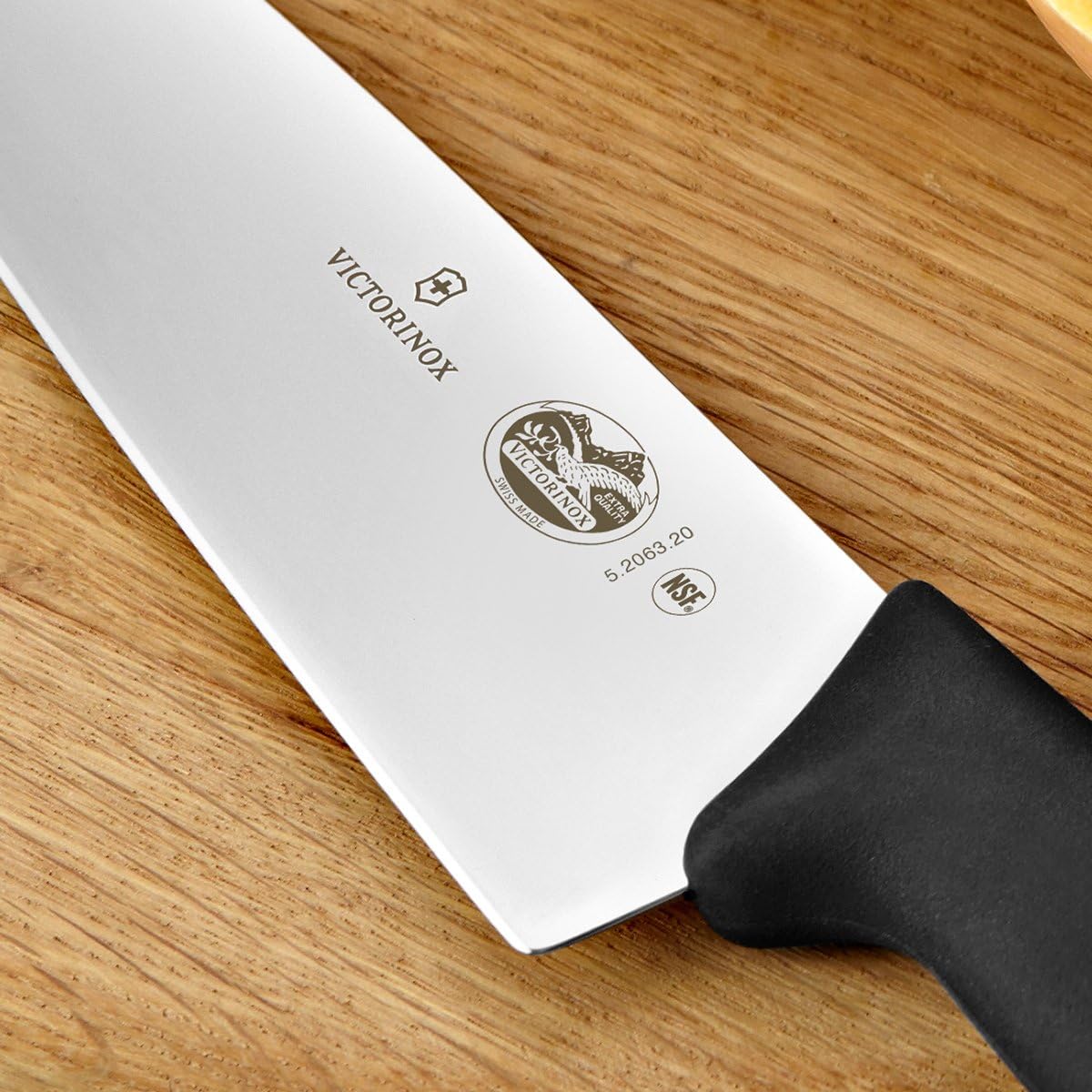
Victorinox is a useful brand for understanding the distinction because it produces both boning and filleting knives.
Its boning knives are available with different degrees of flexibility, while its fillet knives emphasize the longer, flexible profile needed to follow fish bones.
Victorinox currently describes filleting blades as flexible and designed to negotiate fish bones cleanly.
Victorinox Boning Knife — Pros
✔ Lightweight
✔ Excellent maneuverability
✔ Flexible options available
✔ Good grip options
✔ Suitable for meat and some fish work
Cons
✘ Utilitarian styling on professional models
✘ A flexible version won’t provide the stiffness some game processors prefer
Best For
🏆 The home cook who wants one versatile boning knife.
🥈 Dexter-Russell — Excellent for Fish and Butchery
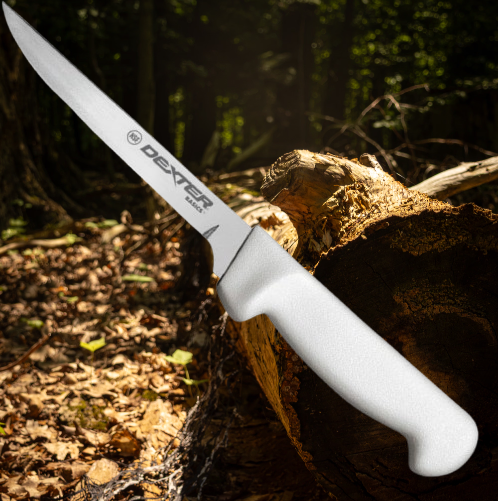
Suggested graphic: Dexter-Russell SOFGRIP or Sani-Safe fillet knife.
Dexter-Russell has a long association with professional food preparation and offers numerous specialized butchering and fish-processing knives.
A typical Dexter fillet knife demonstrates exactly what we’re talking about: a relatively long, narrow blade combined with enough flexibility to work closely around a fish’s skeleton.
Dexter-Russell Fillet Knife — Pros
✔ Long, narrow blade
✔ Flexible designs available
✔ Excellent for fish processing
✔ Professional-style handles available
✔ Strong choice for frequent seafood preparation
Cons
✘ Professional styling isn’t particularly luxurious
✘ Flexible fillet models aren’t intended for heavy bone work
Best For
🏆 Anglers and cooks who frequently prepare whole fish.
Visit Dexter-Russell Official Website
🥉 Wüsthof — Premium Option
Visit Wüsthof Official Website
Wüsthof provides one of the clearest manufacturer explanations of the difference between these knives.
Its boning knives use a narrow, pointed blade designed to maneuver around bones.
Its fillet knives take that concept further with a thinner, more flexible blade designed for precise filleting and skin removal.
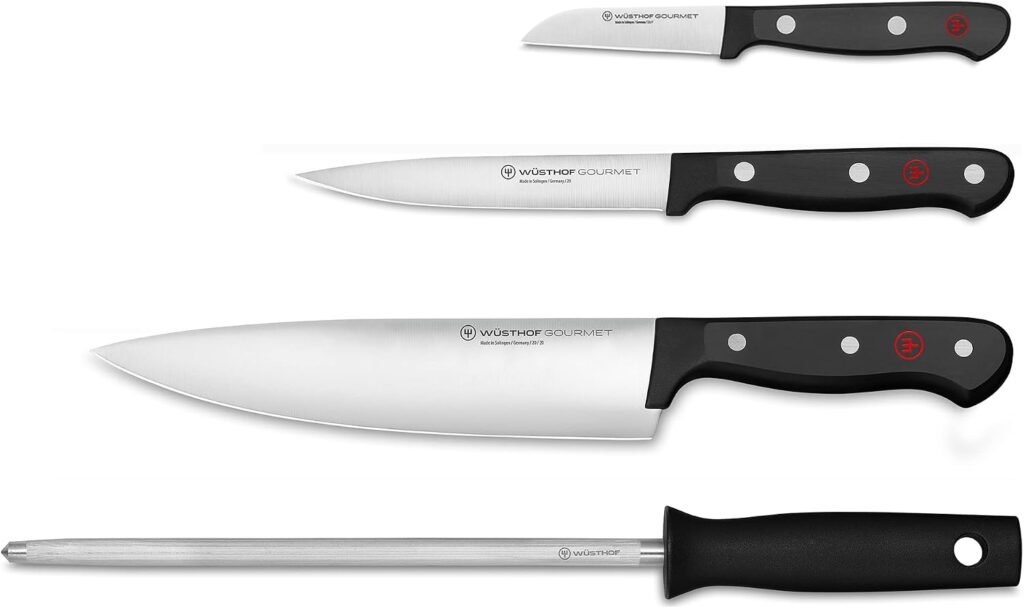
For example, Wüsthof’s current Classic Ikon 7-inch Fillet Knife uses a flexible, forged blade intended for fine filleting and separating fish from skin.
Wüsthof Fillet Knife — Pros
✔ Premium forged construction available
✔ Excellent flexibility
✔ Precise blade
✔ Comfortable premium handles
✔ Excellent fit and finish
Cons
✘ Considerably more expensive than many commercial-style knives
✘ Premium construction may be unnecessary for occasional fish preparation
Best For
🏆 The home cook who wants a premium fillet knife and doesn’t mind paying more for it.
⚔️ Boning Knife vs Fillet Knife: Which One Should YOU Buy?
Let’s make this really easy.
“I mostly prepare chicken.”
👉 Buy a boning knife.
“I buy large cuts of beef and trim them myself.”
👉 Boning knife.
“I process deer and other game.”
👉 Stiff or semi-stiff boning knife.
“I catch and clean my own fish.”
👉 Fillet knife.
“I buy whole fish regularly.”
👉 Fillet knife.
“I cook meat and fish equally.”
👉 Ideally, buy both.
“I only want ONE.”
👉 Buy a flexible or semi-flexible 6-inch boning knife.
For most home kitchens, that’s the more versatile choice.
🏆 KnifeGenie Head-to-Head Verdict
| Category | Winner |
|---|---|
| Chicken | 🥩 Boning Knife |
| Beef | 🥩 Boning Knife |
| Pork | 🥩 Boning Knife |
| Lamb | 🥩 Boning Knife |
| Wild game | 🥩 Boning Knife |
| Trimming fat | 🥩 Boning Knife |
| Removing silverskin | 🥩 Boning Knife |
| Whole fish | 🐟 Fillet Knife |
| Skinning fish | 🐟 Fillet Knife |
| Following fish bones | 🐟 Fillet Knife |
| Long delicate cuts | 🐟 Fillet Knife |
| Overall versatility | 🏆 Boning Knife |
📏 What Blade Length Should You Choose?
Boning Knife
For most home cooks:
5–6 inches is an excellent starting point.
It provides enough blade to work efficiently while remaining highly maneuverable around joints and bones.
Fillet Knife
Fish size matters more.
Victorinox currently offers filleting knives in different sizes and recommends matching blade length to the fish being prepared.
As a general buying principle:
Smaller fish → shorter fillet knife
Larger fish → longer fillet knife
A longer blade makes it easier to make clean, sweeping cuts through larger fish.
🧠 KnifeGenie Pro Tips
🦴 Don’t cut through bone with either knife. Use the appropriate cleaver, poultry shears or other tool when the job requires actually cutting substantial bone.
🐟 Let a fillet knife flex naturally. Don’t force the blade sideways.
🔪 Keep the edge sharp. A dull specialty knife defeats the reason for using one in the first place. A boning knife sharpen properly lasts years.
🧼 Wash after handling raw meat or fish. Clean the knife thoroughly and dry it promptly.
🪵 Use a proper cutting board. Wood and suitable plastic cutting boards are much kinder to knife edges than glass, stone or ceramic surfaces.
✋ Don’t assume more flexibility is always better. Flexibility is useful for fish and delicate work; stiffness gives you control during heavier butchery.
🎯 Match the knife to what you actually cook. Don’t buy a specialized fillet knife because it looks impressive if you prepare a whole fish twice a year.
🎯 Perfect For
This comparison is especially useful for:
✔ Home butchers
✔ Anglers
✔ Hunters
✔ BBQ enthusiasts
✔ Seafood lovers
✔ Home cooks buying their first specialty knife
✔ Anyone confused by how similar boning and fillet knives look
❓ Frequently Asked Questions
Is a boning knife the same as a fillet knife?
No.
They share similar narrow profiles, but a fillet knife is generally longer, thinner and more flexible. A boning knife is usually shorter and gives you greater control around meat, bones and joints.
Which is more flexible: a boning knife or a fillet knife?
Usually the fillet knife.
Flexibility allows its blade to follow the backbone, ribs and contours of a fish while minimizing wasted flesh.
However, flexible boning knives also exist.
Can I fillet fish with a boning knife?
Yes.
A flexible boning knife can work quite well on many smaller fish. If you regularly fillet medium and large fish, however, a dedicated fillet knife’s additional length and flexibility make the job easier.
Can I debone chicken with a fillet knife?
Yes, but a boning knife is generally the better choice.
Its shorter blade provides excellent control when working around chicken joints and bones.
Which knife is better for removing fish skin?
A fillet knife.
The thin, flexible blade and additional length make it easier to maintain contact between the skin and flesh during a long slicing motion.
Which knife is better for deer?
A boning knife, preferably stiff or semi-stiff.
That additional control is useful when trimming and processing larger cuts of game.
Which knife is better for trimming brisket?
A boning knife is excellent for detailed trimming, particularly when removing hard fat or working around awkward areas.
For larger sweeping trimming jobs, some cooks and pitmasters also prefer longer breaking or slicing-style knives.
Do I need both knives?
Not necessarily.
If you mainly prepare meat and only occasionally handle fish, start with a boning knife.
If you regularly clean whole fish, owning a dedicated fillet knife makes much more sense.
If you regularly butcher meat and process fish, the two knives complement each other rather than duplicate each other.
What is the best all-purpose choice?

For the average home cook who wants just one of these two knives, KnifeGenie’s choice is a:
🏆 6-Inch Semi-Flexible Boning Knife
It’s compact enough for poultry, strong enough for general meat trimming and flexible enough for some delicate work.
Serious anglers should still choose a dedicated fillet knife.
🥩 Want Help Choosing a Boning Knife?
If you’ve decided the boning knife is right for you, don’t stop here.
Our current guide compares different options for poultry, beef, game and general home butchery:
👉 Read: Best Boning Knife for Home Butchers
Or explore more knife guides at:
🏁 Final Cut: Boning Knife or Fillet Knife?
Here’s the easiest way to make your decision.
If your food has legs, start with a boning knife.
If it has fins, reach for the fillet knife.
That’s obviously a simplification—but it’s a surprisingly useful rule.
The boning knife wins for overall versatility. Its shorter, controllable blade makes it ideal for chicken, beef, pork, lamb, game, trimming fat and removing silverskin.
The fillet knife wins for fish. Its longer, thinner and more flexible blade follows bones beautifully and makes skinning much easier.
When comparing a boning knife vs fillet knife, neither knife is universally better. The right choice depends on whether you primarily prepare meat or fish.
🏆 KnifeGenie Verdict
Best for most home cooks: 6-inch semi-flexible boning knife
Best for anglers and seafood lovers: 7- to 9-inch flexible fillet knife
Best setup for people who butcher meat and clean fish regularly: Own both.
They’re similar knives.
But once you use each one for the job it was designed to do, the difference becomes obvious.
Sharp knives. Smart choices.
— KnifeGenie